English
 Español
Industry News
Home / News / Industry News / Custom Design vs. Stock Packaging: A Technical Comparison of Empty Perfume Bottle Sets for Brand Identity and Consumer Appeal
Jun 17, 2026
Content
The fragrance industry is unique in that the product is invisible until it is used. A perfume cannot be seen inside its bottle. It cannot be touched. The consumer makes a purchase decision based almost entirely on the packaging presentation and the scent sampled from a tester strip. In this context, the empty perfume bottle set is not merely a container. It is the primary marketing tool, the brand ambassador, and the physical embodiment of the fragrance identity.
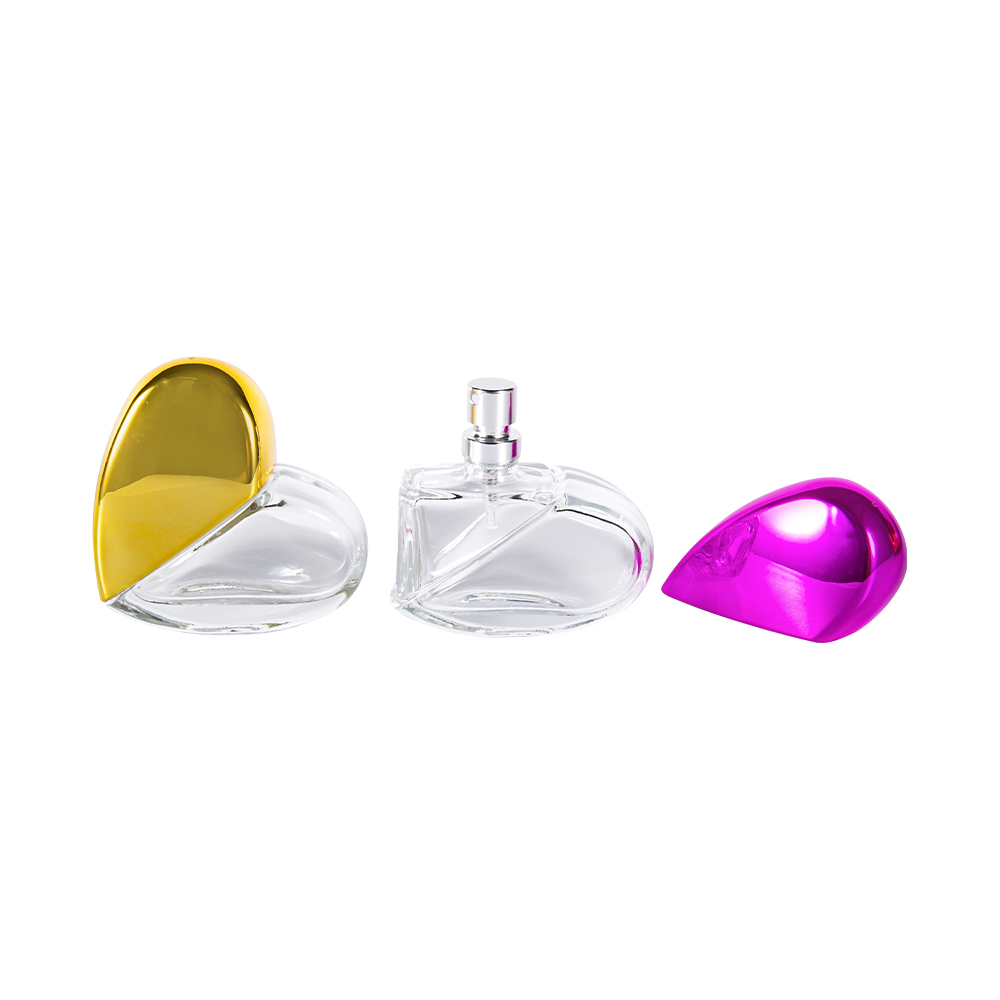
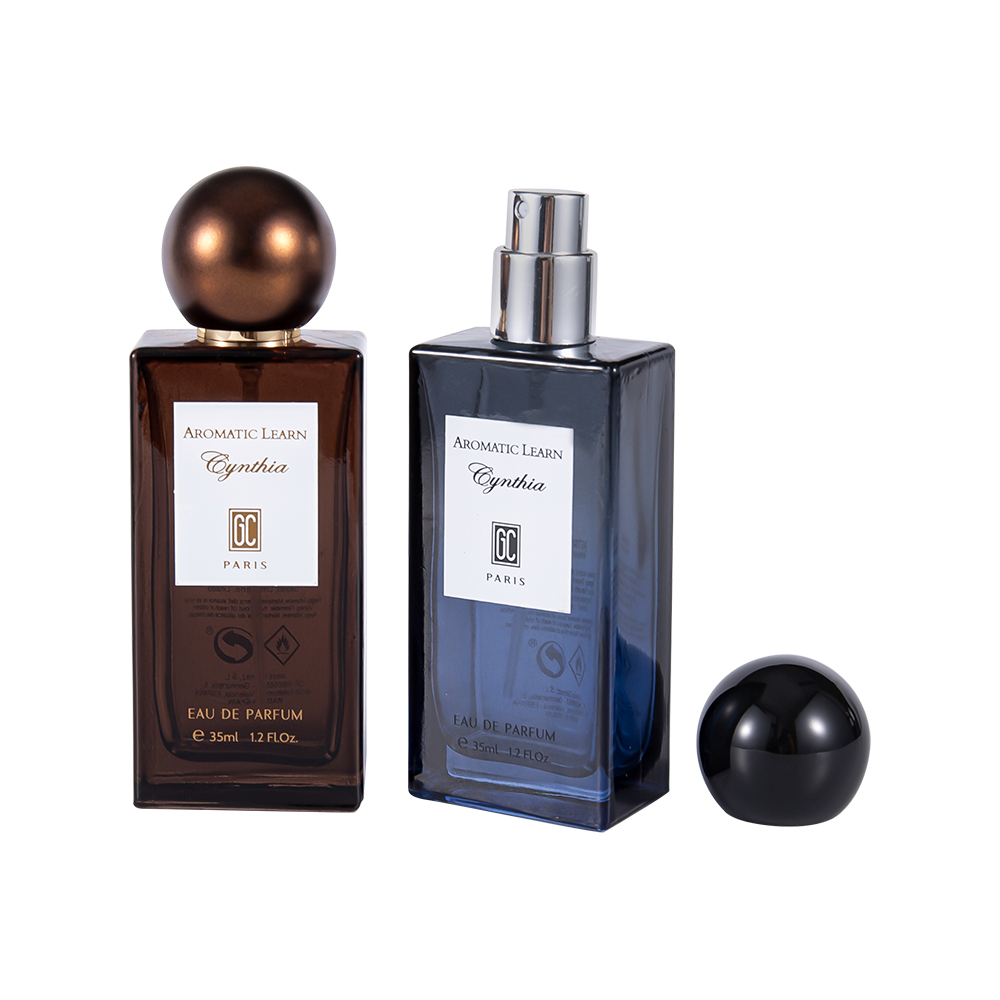
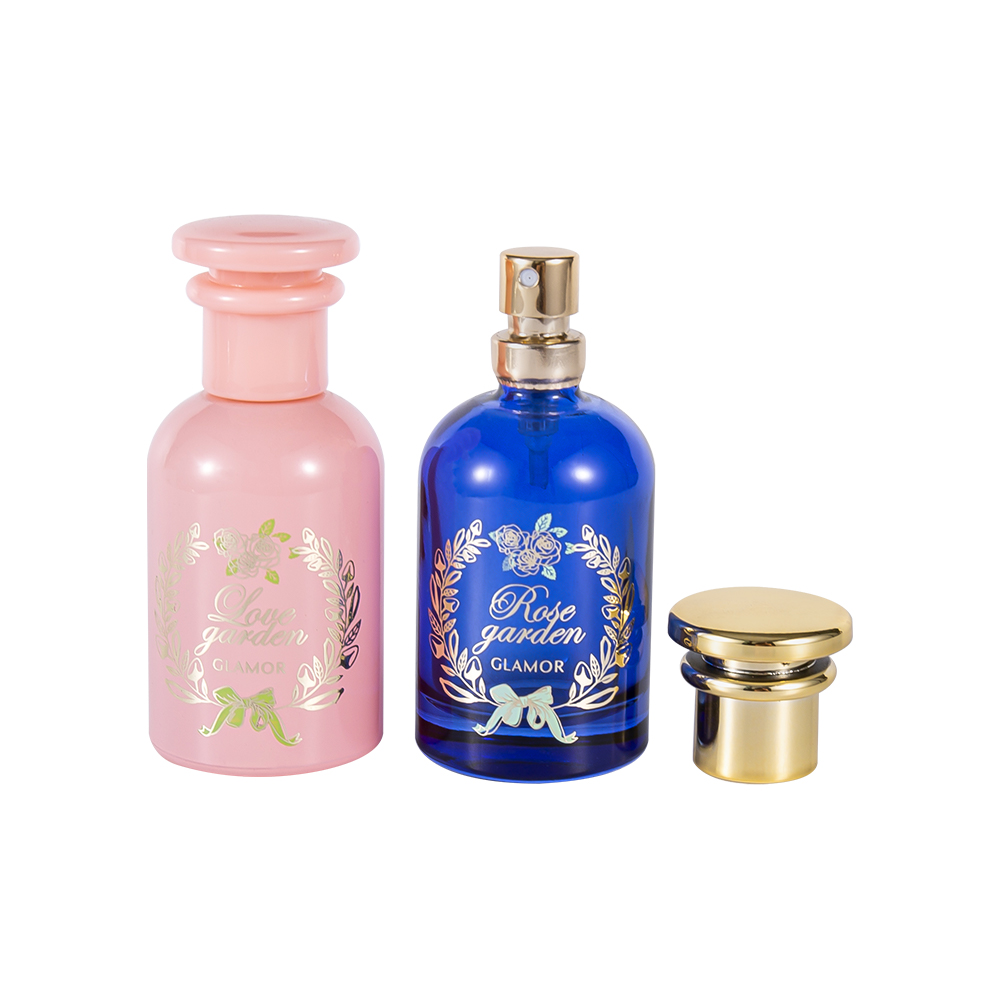
An empty perfume bottle set typically includes a glass bottle, a closure such as a cap, and a spray mechanism or atomizer. Some sets also include a decorative outer carton or gift box. When these components are designed and manufactured as a cohesive set, they create a unified brand expression that communicates quality, luxury, and attention to detail.
This article provides a comprehensive technical comparison of custom designed perfume bottle sets versus stock standard packaging options. We will examine glass material selection, cap material choices, spray mechanism types, decorative techniques, and the impact of each on brand perception. For fragrance brand owners and packaging procurement professionals, this guide serves as a reference for selecting the appropriate bottle set configuration that balances unique identity, cost, lead time, and consumer appeal.
An empty perfume bottle set is a collection of packaging components designed to work together as a finished unit ready for filling. The complete set consists of three primary elements: the bottle, the closure or cap, and the spray mechanism or applicator.
The bottle is typically made from glass because glass is chemically inert, impermeable to oxygen, and provides a premium tactile experience. The 30ml, 50ml, and 100ml sizes are the most common in the fine fragrance market, though 5ml, 15ml, and 20ml sizes are popular for travel and sample programs. The bottle shape can be round, square, rectangular, oval, or custom molded to any three dimensional form.
The cap serves multiple functions. It protects the spray mechanism from accidental actuation during transport. It prevents contamination of the nozzle. It provides the primary tactile touchpoint when the consumer handles the bottle. Caps can be made from a variety of materials including ABS, PP, Surlyn, acrylic, metal, and wood. The cap may incorporate magnets, spring loaded hinges, or other mechanical features for a premium user experience.
The spray mechanism or atomizer is the functional heart of the perfume bottle set. A quality atomizer transforms the liquid fragrance into a fine mist that disperses evenly over the skin. The mechanism includes a dip tube that extends to the bottom of the bottle, a pump chamber, a spring and ball valve system, and a nozzle that breaks the liquid into droplets. Poor quality atomizers leak, clog, or produce an uneven spray pattern that degrades the consumer experience.
When you select an Empty Perfume Bottle Set, you are selecting an integrated system where each component must work perfectly with the others. A beautiful bottle with a leaking atomizer or a loose cap will damage the brand regardless of the fragrance quality.
The first major decision in perfume bottle development is whether to invest in custom mold tooling or to select from existing stock bottle shapes.
Custom mold bottles are manufactured using tooling that is created specifically for your bottle design. The tooling consists of a blank mold and a blow mold that shape the molten glass into the desired form. Custom tooling allows unlimited design freedom. The bottle can be any shape, any size, with any combination of curves, facets, flat surfaces, or decorative elements such as embossed logos or textured panels.
The investment for custom tooling is significant. A set of molds for a single bottle shape may cost from 3,000 to 10,000 dollars depending on complexity. Additional molds are required for different sizes. The lead time for mold manufacturing is typically 8 to 12 weeks. However, once the tooling is paid for, the per bottle cost is generally lower than stock bottles because there is no premium for exclusivity.
Stock standard bottles are existing designs that the manufacturer has already tooled. These bottles are available to any brand. The design cannot be changed, though the bottle can be decorated with your branding. Stock bottles have no tooling cost and much shorter lead times, often 2 to 4 weeks for plain bottles. The per bottle cost is typically higher than custom bottles because you are paying for the manufacturer existing tooling amortized over a smaller production run.
The table below compares custom mold and stock standard perfume bottles.
| Parameter | Custom Mold Bottle | Stock Standard Bottle |
|---|---|---|
| Design Uniqueness | Exclusive cannot be copied | Available to any brand |
| Tooling Cost | 3,000 to 10,000 dollars | Zero |
| Lead Time to First Production | 3 to 4 months | 2 to 4 weeks |
| Per Bottle Cost | Lower for high volumes | Higher |
| Minimum Order Quantity | 10,000 to 50,000 units | 500 to 5,000 units |
| Decoration Flexibility | High | High same as custom |
| Best Application | Established brands, signature fragrances | Startups, test launches, seasonal scents |
For a new brand launching a single signature fragrance, custom molds create a distinctive identity that helps stand out on crowded retail shelves. For a startup with limited capital, stock bottles with high quality decoration can achieve a premium look without the tooling investment.
The glass used in an empty perfume bottle set must meet specific chemical and optical standards. The most common types are flint clear glass, amber glass, and less frequently, cobalt blue or other colored glasses.
Flint clear glass is the standard for fine fragrance. It has very low iron content, giving it exceptional transparency. The consumer can see the color of the perfume, which is an important marketing feature for many brands. Flint glass is available from most manufacturers at the lowest cost. However, flint glass does not block UV light, which can degrade light sensitive fragrance ingredients over time.
Amber glass contains iron and sulfur compounds that give it a brown color. This coloration blocks 99 percent of UV light below 450 nanometers, providing excellent protection for light sensitive formulations. Natural perfumes containing citrus oils, many floral absolutes, and botanical extracts benefit significantly from amber glass. The trade off is that the amber color obscures the perfume, making it impossible to see the liquid color or level.
Cobalt blue glass provides a distinctive deep blue color that is strongly associated with premium and luxury packaging. It blocks a significant portion of UV light, though less than amber. The blue glass creates a striking visual presentation that many niche brands prefer. Cobalt blue is more expensive than flint or amber due to the cost of the cobalt oxide colorant.
The table below summarizes glass type selection for empty perfume bottle sets.
| Glass Type | UV Protection | Perfume Visibility | Aesthetic | Cost | Recommended For |
|---|---|---|---|---|---|
| Flint Clear | Low | Full clarity | Clean, modern, traditional | Low | Most fine fragrances |
| Amber | Very high | Obscured | Clinical, natural, pharmaceutical | Low | Light sensitive formulations |
| Cobalt Blue | Moderate to high | Low tint | Distinctive, luxury | High | Niche, premium, designer brands |
For most fine fragrances containing synthetic ingredients with good light stability, flint clear glass is the appropriate choice. For natural perfumes or any product containing significant amounts of citrus oils, choose amber or cobalt blue.
The cap of an empty perfume bottle set is the primary touchpoint for the consumer. The material, weight, finish, and mechanical action all contribute to the perceived quality of the brand.
ABS is the workhorse material for perfume caps. It is rigid, strong, and can be injection molded with excellent detail including complex shapes, logos, and patterns. ABS accepts plating, painting, and other surface finishes very well. The material has a good weight and feel. ABS caps are moderate in cost and are suitable for most applications from mass market to premium.
Surlyn is a premium material. It is an ionomer resin with exceptional clarity, gloss, and scratch resistance. Surlyn caps look and feel like glass but are unbreakable. The material has a smooth, warm feel in the hand. Surlyn is more expensive than ABS and is typically used for luxury and ultra premium brands. The high clarity allows the cap to match clear flint glass bottles beautifully.
Acrylic offers high clarity and optical properties similar to glass. Acrylic caps can be crystal clear or colored throughout the material. The material is harder than Surlyn but more brittle. Acrylic is used for high end caps where a glass like appearance is desired at a lower cost than Surlyn.
PP is a functional material often used for inner caps or protective sleeves. It is lightweight, flexible, and chemically resistant. PP caps are low in cost but have a less premium feel.
Metal caps, typically aluminum or brass, are used for luxury brands. Metal caps can be plated with gold, silver, or other finishes. They are heavy, which consumers associate with quality. Metal caps are expensive and require precise manufacturing to avoid sharp edges.
The table below compares cap material options for empty perfume bottle sets.
| Material | Appearance | Feel Weight | Durability | Cost | Best Application |
|---|---|---|---|---|---|
| ABS | Opaque, any finish | Good solid | Very high | Low to moderate | Most fragrance caps |
| Surlyn | Crystal clear | Warm, smooth | Very high | High | Luxury, ultra premium |
| Acrylic | Clear or colored | Glass like | Moderate | Moderate | Premium transparent caps |
| PP | Opaque or translucent | Light | High | Low | Inner caps, functional |
| Metal | Plated finishes | Heavy solid | Very high | High | Ultra luxury brands |
When selecting a cap material, consider the weight and feel. Consumers unconsciously equate heavier caps with higher quality. Also consider the mechanical fit. The cap must snap or screw onto the bottle with a satisfying action, not too loose and not too tight.
The spray mechanism or atomizer is the most technically complex component of an empty perfume bottle set. A poor atomizer ruins the entire product experience regardless of how beautiful the bottle and cap are.
Standard atomizers use a mechanical pump. When the user depresses the actuator, a piston compresses a spring, forcing the liquid through a nozzle. The nozzle breaks the liquid into droplets. The size of the droplets and the pattern of the spray determine how the fragrance feels on the skin. A fine mist disperses evenly and dries quickly. A coarse spray leaves wet spots that may stain clothing.
Crimped atomizers are permanently attached to the bottle. The pump housing is placed over the bottle neck and a metal collar is crimped or pressed into place. Crimped atomizers are secure and leak proof. They are the standard for most fine fragrance bottles. The disadvantage is that the bottle cannot be easily refilled.
Screw on atomizers use threads that match the bottle neck finish. The user screws the atomizer onto the bottle. These are common for travel sizes, refillable bottles, and some mass market products. Screw on atomizers are less secure than crimped and may leak if not tightened properly.
Fine mist atomizers are engineered for luxury fragrances. They use specialized nozzle geometry, often with multiple channels and swirl chambers, to produce an exceptionally fine mist. The droplet size may be 30 to 50 micrometers, compared to 70 to 100 micrometers for standard atomizers. Fine mist atomizers are more expensive and require higher precision manufacturing.
The key quality metrics for spray mechanisms are spray pattern, spray volume, and leak resistance. The spray pattern should be a uniform cone without spitting or streaming. The spray volume, typically 100 to 150 microliters per actuation, should be consistent across thousands of actuations. The mechanism must not leak under pressure or when stored in any orientation.
When sourcing an empty perfume bottle set, request samples of the filled and assembled bottle. Test the spray mechanism across its expected life. A mechanism that leaks or fails after 100 uses is unacceptable for a 50ml bottle that contains approximately 400 sprays.
The decoration of an empty perfume bottle set transforms a plain glass container into a branded, marketable product. Several techniques are available, each with different cost, capability, and visual effect.
Spray painting applies a thin layer of colored or clear lacquer to the glass surface. The spray can be matte, gloss, satin, or textured. Spray painting can cover the entire bottle or be applied in patterns using masks. Colored spray is often used to coordinate with the fragrance theme or to create an opaque bottle that hides the perfume color. The process is moderately expensive and requires careful quality control to avoid drips, sags, or uneven coverage.
Silk screen printing transfers ink through a mesh screen onto the glass surface. Each color requires a separate screen. Silk screening is excellent for logos, text, and simple geometric patterns. The print is durable and resistant to alcohol and handling. Silk screening is cost effective for medium to large production runs. The limitation is that only one color per screen and flat or gently curved surfaces work best.
Hot stamping applies metallic foil to the glass using heat and pressure. A heated die presses the foil against the glass, transferring the metal layer in the pattern of the die. Hot stamping is used for logos and decorative elements that require a metallic finish such as gold or silver. The result is crisp and durable. Hot stamping is more expensive than silk screening but less expensive than electroplating for small areas.
Electroplating deposits a thin layer of metal onto the glass surface through an electrochemical process. The result is a reflective, metallic finish that looks like chrome, gold, copper, or other metals. Electroplated bottles are striking and premium. The process requires specialized equipment and is expensive. Electroplated bottles must be handled carefully to avoid scratching.
Frosting or etching creates a matte, translucent surface by chemically or mechanically abrading the glass. The frosted finish has a soft, elegant appearance and a tactile quality that many consumers find appealing. Frosting can be applied to the entire bottle or in patterns. The process is moderately expensive and durable.
The table below compares decorative techniques for empty perfume bottle sets.
| Technique | Visual Effect | Durability | Relative Cost | Best Application |
|---|---|---|---|---|
| Spray Painting | Colored, matte or gloss | High | Moderate | Full bottle coverage, opaque effects |
| Silk Screen | Single color graphics | High | Low to moderate | Logos, text, simple patterns |
| Hot Stamping | Metallic foil | High | Moderate | Logos, metallic accents |
| Electroplating | Mirror metal finish | Moderate | High | Full metallic bottles |
| Frosting | Matte, translucent | Very high | Moderate | Elegant, soft appearance |
Multiple techniques can be combined on a single bottle. For example, a bottle might be frosted overall, with a hot stamped gold logo and a silk screened brand name. Each additional technique adds cost and complexity, but the result can be stunning.
The ability to customize every aspect of an empty perfume bottle set allows a brand to create a unique identity that differentiates it from competitors.
Bottle shape is the most visible element. A distinctive silhouette can become as recognizable as a logo. Chanel No. 5 rectangular bottle, Jean Patou Joy rounded bottle, and Marc Jacobs Daisy bottle with its flower cap are all instantly identifiable. Custom mold tooling allows any shape imaginable, from geometric to organic, from minimalist to ornate.
Surface decoration carries the brand colors, logo, and typography. Consistent use of specific finishes across a product line creates visual coherence. A brand that uses matte black spray with hot stamped gold on all its bottles establishes a recognizable aesthetic.
The cap design can be a signature element. A cap that is unusually heavy, or that incorporates a magnetic closure, or that features a sculptural form creates a memorable opening experience. The sound of the cap snapping or screwing onto the bottle can be engineered to be satisfying.
The secondary packaging, such as the outer carton and inner tray, completes the brand presentation. While not technically part of the empty perfume bottle set, these elements should be designed in concert with the bottle and cap.
For brands with limited budgets, focus customization resources on the elements that the consumer interacts with most: the bottle shape and the cap feel. These have the greatest impact on perceived quality.
The quality of an empty perfume bottle set depends on the manufacturing precision and quality control processes of the supplier.
Glass bottle quality begins with consistent batch formulation. Variations in raw material proportions affect glass color, strength, and chemical durability. During forming, the blank mold and blow mold must be maintained to precise tolerances. Wall thickness variations can affect both strength and appearance.
After forming, bottles pass through an annealing lehr where they are slowly cooled to relieve internal stresses. Improper annealing leaves stress in the glass that can cause spontaneous breakage during filling, capping, or shipping.
Automated inspection systems check each bottle for dimensional defects, surface defects, and contamination. Cameras and lasers inspect at speeds of hundreds of bottles per minute. Bottles that fail inspection are rejected and recycled.
For caps and spray mechanisms, injection molding precision determines fit and function. Molds must be maintained to micron level tolerances. The assembly of the spray mechanism requires clean, humidity controlled environments to prevent contamination of the pump chamber.
A manufacturer with a daily output of 1.4 million glass bottles and 1 million bottle caps has the scale to serve large brands and to accommodate peak demand. High volume production drives consistency because processes are standardized and automated.
When evaluating a supplier, ask about their quality management system certification, such as ISO 9001. Request sample reports from their inspection processes. If possible, visit the factory to observe production and quality control firsthand.
Different market segments have different requirements for empty perfume bottle sets.
For luxury and niche fragrance brands, the emphasis is on uniqueness and quality. Custom mold bottles with distinctive shapes are the standard. Caps are often Surlyn, metal, or plated ABS. Spray mechanisms are fine mist for superior dispersion. Decoration may combine multiple techniques such as electroplating, hot stamping, and silk screening. Minimum order quantities may be 5,000 to 10,000 units per size.
For mass market and celebrity fragrances, the emphasis is on cost efficiency and speed to market. Stock bottles with custom decoration are common. Caps are typically ABS. Standard atomizers are sufficient. Decoration may be limited to silk screened logos. Minimum order quantities are higher, often 25,000 units or more, to achieve cost targets.
For travel sizes and discovery sets, the emphasis is on portability and functionality. Smaller bottles of 5ml to 15ml are common. Screw on atomizers or snap on caps allow the consumer to use the product without committing to a full size bottle. Decoration is minimal. The bottle must be robust enough to withstand being carried in a bag.
For refillable perfume bottles, the emphasis is on durability and ease of use. The bottle must withstand repeated opening and closing. The spray mechanism must be removable for refilling. The closure must remain secure over multiple uses. Some brands offer a decorative outer bottle and a refill cartridge that snaps inside.
For corporate gifts and promotional items, the emphasis is on customization with the corporate logo. Small production runs of 500 to 2,000 units are common. Stock bottles with silk screened or hot stamped logos are typical. The packaging must be cost effective while still presenting the brand appropriately.
Environmental sustainability is increasingly important for fragrance brands and their consumers. Glass perfume bottle sets offer several sustainability advantages that can be communicated to the end user.
Glass is infinitely recyclable without loss of quality. Recycled glass, known as cullet, is used in the production of new bottles. Using cullet reduces energy consumption because cullet melts at a lower temperature than raw materials. Many glass bottle manufacturers now use 30 to 50 percent cullet in their batch formulas. Some offer bottles made from 100 percent post consumer recycled glass.
Lightweighting reduces the amount of glass used per bottle. Thinner walls, smaller neck finishes, and optimized shapes reduce weight and carbon footprint. Lightweighted bottles also require less energy to produce. However, lightweighting must be balanced against the consumer expectation of a bottle with satisfying weight.
Refillable bottle systems reduce packaging waste significantly. The consumer purchases a decorative bottle once and then purchases refills in simpler, lower cost packaging. The refill bottle may be plastic or lightweight glass. This system reduces overall packaging waste by 70 to 80 percent compared to single use bottles.
The choice of cap material affects recyclability. ABS, acrylic, and Surlyn are technically recyclable but are often not accepted in municipal recycling programs. Metal caps are recyclable. PP caps are widely recyclable. Some brands are moving to single material systems where the entire closure is made from a recyclable plastic.
When sourcing empty perfume bottle sets, ask about the cullet percentage, lightweighting options, and refillable designs. Communicate your sustainability goals to your supplier so they can recommend appropriate solutions. Consumers notice and reward sustainable packaging choices.
The selection of the right empty perfume bottle set requires balancing multiple factors. The fragrance formulation determines the need for UV protection. The brand positioning determines the appropriate level of customization, decorative techniques, and cap materials. The distribution channel and price point determine the acceptable cost structure.
For a luxury brand launching a signature fragrance, invest in custom mold tooling for a unique bottle shape. Choose flint clear glass to show the perfume color. Select Surlyn or plated ABS caps for premium weight and feel. Specify fine mist atomizers for superior spray performance. Use multiple decorative techniques such as electroplating for the bottle and hot stamping for the logo.
For a natural fragrance brand with light sensitive formulations, choose amber glass for UV protection. Consider stock bottles to control costs. Select ABS caps with a sustainable material story. Use simple silk screen decoration for branding. Emphasize the sustainability of glass packaging in marketing communications.
For a startup brand with limited capital, select high quality stock bottles with distinctive decoration. Invest in a premium cap, as the cap is the primary touchpoint. Choose a reliable atomizer, as a leaking bottle destroys brand trust. Build the brand identity through consistent color and typography across the bottle, cap, and outer carton.
By understanding the technical differences and performance characteristics presented in this article, fragrance brand owners and packaging procurement professionals can confidently select the right empty perfume bottle set for each product line, ensuring fragrance stability, brand expression, and consumer satisfaction.
Q1: What is included in an empty perfume bottle set?
A: A standard empty perfume bottle set includes the glass bottle, a cap or closure, and a spray mechanism atomizer. Some sets also include a dip tube, inner seal, and decorative outer carton. The components are designed to work together as an integrated system. High quality sets ensure that the cap fits the bottle perfectly, the atomizer threads or crimps correctly, and the overall assembly is leak proof.
Q2: What is the difference between a crimp neck and a screw neck perfume bottle?
A: A crimp neck bottle has a smooth neck with a lip or bead. The spray mechanism is placed over the neck and a metal collar is crimped permanently into place. The mechanism cannot be removed without damaging the bottle. This is the standard for most fine fragrance bottles. A screw neck bottle has external threads. The spray mechanism screws onto the bottle and can be removed for refilling or replacement. Screw necks are common for travel sizes and refillable bottles.
Q3: How do I choose between custom mold bottles and stock bottles?
A: Custom mold bottles require tooling investment of 3,000 to 10,000 dollars and lead times of 3 to 4 months, but they provide a unique bottle shape that cannot be copied. They are best for established brands and signature fragrances. Stock bottles have no tooling cost and lead times of 2 to 4 weeks, but the same bottle shape is available to any brand. They are best for startups, test launches, and seasonal products.
Q4: What cap material feels most premium?
A: Surlyn provides a warm, smooth feel and crystal clarity similar to glass. It is considered the most premium plastic cap material. Metal caps, particularly heavy plated brass or aluminum, also feel premium due to their weight. ABS with heavy plating provides a good balance of premium feel and cost. Acrylic caps can be very attractive but feel less warm than Surlyn. For the highest perceived quality, choose Surlyn or metal.
Q5: How can I make my perfume bottle set more sustainable?
A: Specify bottles made with recycled glass cullet, ideally 30 to 50 percent post consumer recycled content. Choose lightweighted bottles to reduce material use and shipping carbon footprint. Consider a refillable system where only the refill cartridge is replaced. Select cap materials that are recyclable in local programs, such as PP. Avoid combining multiple materials that cannot be separated for recycling. Communicate your sustainable packaging choices to consumers.


+86 151 9036 6355
+86 510 8627 8328

hjglassfactory@vip.163.com

Room 1304, Jiufang Plaza, No. 286, Hongqiao South Road, Jiangyin City, Jiangsu Province, China
Copyright © 2025 HJ Glass Factory
All Rights Reserved.
Wholesale Empty Perfume Bottles, Empty Aromatherapy Bottles