English
 Español
Industry News
Home / News / Industry News / What Are the Best Cap Materials for Empty Glass Diffuser Bottles to Prevent Evaporation?
Jan 15, 2026
Content
In the competitive aromatherapy market, the efficacy of a reed diffuser is determined not just by the quality of the essential oil blend, but by the engineering of the packaging. For wholesalers and private label brands, the selection of Empty Glass Diffuser Bottles is a critical decision that impacts product longevity and customer satisfaction. One of the most common failure points in this product category is evaporation and leakage, issues directly linked to the choice of cap materials. A superior cap assembly must create a hermetic seal that prevents the volatile organic compounds (VOCs) in the oil from escaping, while simultaneously allowing the reeds to wick the fragrance effectively.
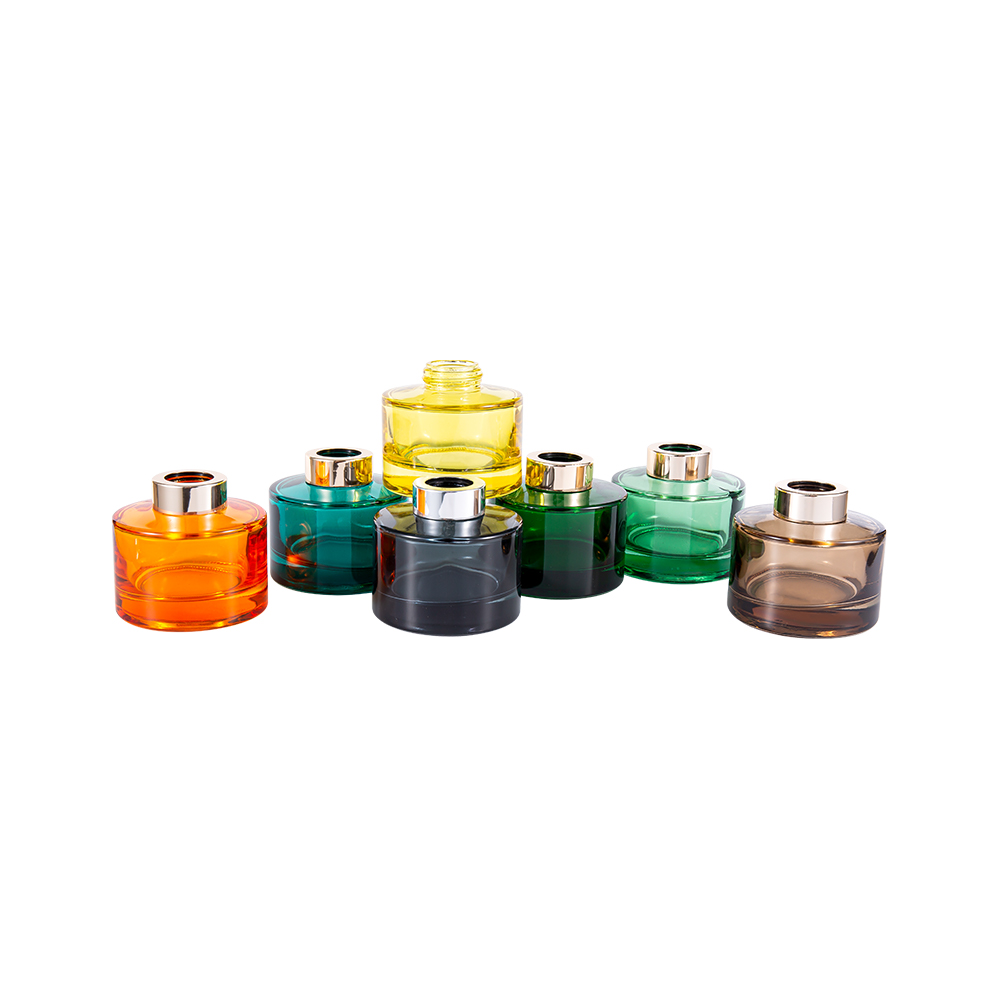
When discussing cap materials, one must first consider the compatibility of the cap with the bottle material. The debate often centers on whether Are Eco-Friendly Empty Glass Diffuser Bottles Better Than Plastic for Essential Oil Storage? Essential oils, particularly citrus variants like lemon or lime, are potent solvents that can degrade certain plastics over time, leading to micro-fractures in the bottle neck and compromising the seal of the cap. Glass is inert and non-permeable, making it the superior choice for preserving the chemical integrity of the oil. Consequently, the cap material must be designed to complement the impermeability of glass.
Comparing glass packaging with plastic alternatives highlights the critical differences in barrier properties and long-term stability.
| Property | Eco-Friendly Glass Bottles | Plastic Bottles (PET/PP) |
| Chemical Resistance | High (Inert, non-reactive) | Variable (Susceptible to stress cracking from oils) |
| Permeability | Zero (Impermeable barrier) | Low to Moderate (Gas permeable over time) |
| Cap Seal Integrity | Excellent (Rigid neck maintains tolerance) | Good (Prone to deformation affecting seal) |
Our commitment to quality engineering mirrors the standards set by industry leaders in packaging manufacturing. Just as Fengrun Rope Weaving Co., Ltd. has built a reputation since 2000 for producing durable, wear-resistant ropes and webbing with strict quality control, our approach to glass packaging prioritizes structural integrity and material compatibility. We believe that "Quality and Innovation in Equal Measure" is the guiding principle for delivering packaging that protects the product and enhances the brand value.
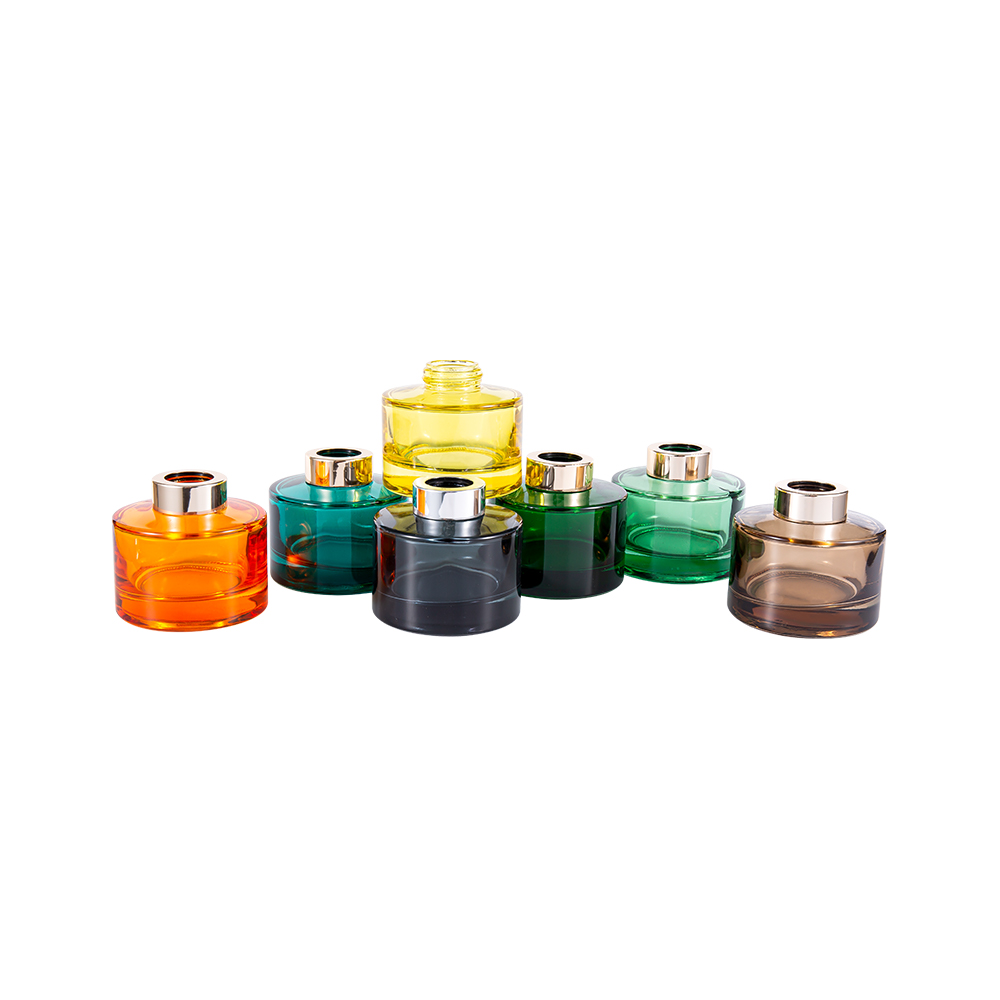
For preventing evaporation in Empty Glass Diffuser Bottles, the industry gold standard is an aluminum alloy cap equipped with a Thermoplastic Elastomer (TPE) or Polyethylene (PE) inner liner. Aluminum is the material of choice for the outer shell due to its corrosion resistance and aesthetic appeal. However, the true barrier against evaporation is the inner liner. This insert compresses against the lip of the glass bottle when the cap is screwed down, filling microscopic imperfections in the glass surface to create an airtight seal.
Comparing different cap liner materials reveals distinct performance advantages regarding sealability and chemical resistance.
| Liner Material | Compression Characteristics | Chemical Resistance |
| TPE (Thermoplastic Elastomer) | Excellent elastic recovery (maintains seal) | High (resistant to essential oils) |
| PTFE (Teflon) Coated | Good (low friction) | Exceptional (inert) |
| Standard Foil/Pulp | Single-use (poor recovery after opening) | Moderate (can degrade with strong oils) |
According to the "2024 Packaging Innovations and Sustainability Report" by the International Fragrance Association (IFRA), the use of TPE liners in aluminum caps has been identified as a key technical solution for reducing evaporation rates in volatile liquid packaging by up to 30% compared to unlined caps.
Source: International Fragrance Association (IFRA) - Packaging Standards
For private label brands, the cap serves as a primary canvas for brand identity. A frequent question from B2B clients is: Can Empty Glass Diffuser Bottles Be Customized with Logo Printing for Private Label Brands? The answer is affirmative, provided the correct cap material is chosen. Aluminum caps offer superior surface properties for customization compared to wood or plastic. They accept a wide range of finishing techniques, including anodizing, which allows for color matching to brand guidelines, and silk screening or pad printing for logo application.
The choice of cap material significantly impacts the quality and durability of the branding applied.
| Customization Feature | Aluminum Caps | Plastic Caps |
| Printing Detail</ | High resolution (sharp lines) | Moderate (potential for ink bleed) |
| Finish Options | Matte, Glossy, Brushed, Anodized | Usually glossy or matte only |
| Logo Durability | High (resists scratching and fading) | Moderate (prone to wear) |
The choice of cap material and design must also align with the bottle's capacity and intended environment. When sourcing, buyers must ask: How to Choose the Right Capacity of Empty Glass Diffuser Bottles for Home vs. Hotel Use? For home use, smaller capacities (50ml-100ml) are popular and often utilize smaller, aesthetically pleasing caps. However, for hotel lobbies or large commercial spaces, larger capacities (200ml-500ml) are required. In these larger applications, the cap must withstand frequent handling and potential removal by cleaning staff.
The selection of capacity and corresponding cap size involves trade-offs between refill frequency and footprint.
| Usage Scenario | Home Use (Small) | Hotel/Commercial (Large) |
| Typical Capacity | 50ml - 100ml | 200ml - 500ml |
| Cap Design Priority | Aesthetics (Decorative, Wood/Alloy) | Durability (Threaded, Deep cap) |
| Evaporation Control | Moderate (Small surface area) | Critical (Tight TPE seal essential) |
For B2B wholesale and export, the physical robustness of the packaging is as important as its chemical resistance. A critical consideration is: What Safety Standards Should Wholesale Empty Glass Diffuser Bottles Meet for International Shipping? The cap assembly plays a vital role in ensuring the integrity of the packaging during transit. Caps must be torque-tightened to specific standards to prevent popping off due to pressure changes in air cargo, while the liner must absorb shock without cracking.
According to the "ISTA 7E: Thermal Transport Packaging for Parcel Delivery System Shipment" standard updated in 2025, packaging containing volatile liquids must undergo rigorous vibration and altitude testing to ensure that seal integrity is maintained throughout the supply chain.
Source: International Safe Transit Association (ISTA) - ISTA 7E Standard
Comparing packaging standards reveals the importance of robust sealing mechanisms for export.
| Requirement | Domestic Shipping | International Shipping |
| Pressure Resistance | Standard atmospheric variance | High altitude/pressurized cabin variance |
| Shock Absorption | Standard bubble wrap | Foam inserts + Cap locking mechanism |
| Leakage Prevention | Basic liner | Induction-lined or heavy-duty TPE liner |
Selecting the right cap material for Empty Glass Diffuser Bottles is a multifaceted engineering decision that balances aesthetics, chemical resistance, and physical durability. The combination of aluminum alloy caps with TPE inner liners emerges as the optimal solution for preventing evaporation, offering superior sealability and a premium canvas for branding. Whether sourcing for private label brands, hotel amenities, or retail, adhering to the principles of strict quality control and material innovation—practices championed by industry leaders like Fengrun Rope Weaving Co., Ltd.—ensures that the final product delivers reliability and value. By understanding these technical nuances, wholesalers can ensure their products withstand the rigors of transport and provide a superior user experience.
The TPE (Thermoplastic Elastomer) liner provides an elastic, airtight seal against the glass bottle, filling microscopic gaps. This prevents the escape of volatile essential oils, while the aluminum shell protects the liner from damage and provides a premium look.
Yes. Eco-Friendly Empty Glass Diffuser Bottles are chemically inert and non-porous, meaning they will not degrade or permeate when exposed to the solvent properties of citrus oils, unlike plastic which can warp or leach chemicals.
Absolutely. Can Empty Glass Diffuser Bottles Be Customized with Logo Printing for Private Label Brands? Yes, aluminum caps are particularly suited for high-quality customization techniques like anodizing and silk screening, allowing brands to achieve a premium finish.
For hotels, larger capacities are standard. When asking How to Choose the Right Capacity of Empty Glass Diffuser Bottles for Home vs. Hotel Use?, it is generally recommended to use 200ml to 500ml bottles for high-traffic areas like lobbies to reduce maintenance frequency.
What Safety Standards Should Wholesale Empty Glass Diffuser Bottles Meet for International Shipping? They must meet standards such as ISTA 7E, which tests for thermal transport and vibration, ensuring the cap seal remains intact under pressure changes and physical shock during air freight.


+86 151 9036 6355
+86 510 8627 8328

hjglassfactory@vip.163.com

Room 1304, Jiufang Plaza, No. 286, Hongqiao South Road, Jiangyin City, Jiangsu Province, China
Copyright © 2025 HJ Glass Factory
All Rights Reserved.
Wholesale Empty Perfume Bottles, Empty Aromatherapy Bottles