

 English
 Español
Industry News
What Can You Do with an Empty Perfume Bottle?
Feb 02, 2026
Content
- 1 Anatomy of a Bottle: Materials, Components, and Finishes
- 2 Core Applications: From Personal Craft to Commercial Venture
- 3 Sourcing and Customization: A Practical Guide
- 4 FAQ
- 4.1 How do I properly clean and sanitize an old perfume bottle for reuse?
- 4.2 Are glass or plastic bottles better for storing essential oils and perfume blends?
- 4.3 What is a typical Minimum Order Quantity (MOQ) for custom perfume bottles?
- 4.4 How can I ensure my travel-size perfume bottle won't leak?
- 4.5 What are some basic finishing options to brand a standard perfume bottle?
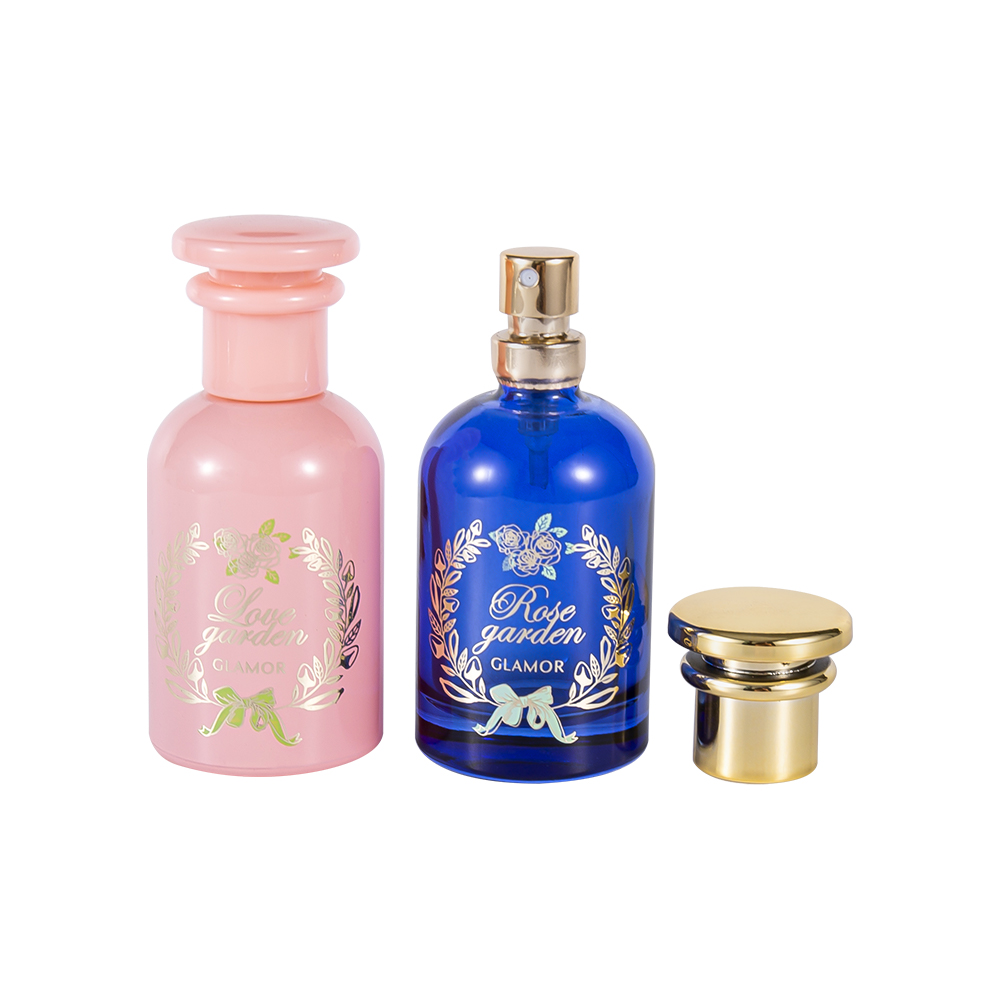
An empty perfume bottle often represents more than just the end of a favorite fragrance. It is a vessel of potential—a beautifully designed container that can be repurposed, reinvented, and reimagined. For crafters, entrepreneurs, and eco-conscious individuals, these bottles offer a world of creative and commercial possibilities. Whether you're looking to create a custom scent, launch a small fragrance line, or simply find a sustainable way to enjoy your perfumes on the go, understanding the options available is key. The journey begins with the bottle itself: its material, construction, and the quality of its components like the sprayer and cap. These factors determine not only its aesthetics but also its functionality for refilling and reuse. Behind the scenes, professional manufacturers play a crucial role in supplying both standard and custom solutions. With advanced production capabilities enabling high daily output and supporting comprehensive services from mold development to sophisticated post-processing techniques like spraying, printing, and plating, they provide the essential toolkit for anyone looking to utilize wholesale empty perfume bottles for small business or source the perfect glass empty perfume bottle with sprayer for a personal project. This guide explores the anatomy of these bottles, their diverse applications, and how to source them effectively.
Anatomy of a Bottle: Materials, Components, and Finishes
To make an informed choice, one must first understand what constitutes a quality empty perfume bottle. The decision often starts with the primary material: glass or plastic. Glass, particularly for a luxury empty perfume bottles for DIY fragrance, offers a premium, weighty feel, superior chemical inertness that preserves scent integrity, and a clarity that showcases the liquid within. Plastic, used in many empty plastic perfume bottles with atomizer designs, provides advantages in durability, lightweight portability (crucial for travel), and cost-effectiveness. Beyond the bottle body, the delivery system is paramount. A high-quality sprayer or atomizer ensures a fine, even mist and maintains a proper seal to prevent evaporation or leakage. The cap, available in various materials from ABS to acrylic, serves both functional and aesthetic purposes, completing the bottle's look and feel. Finally, post-processing techniques transform a simple container into a branded masterpiece or a personalized work of art, adding color, texture, and metallic accents.
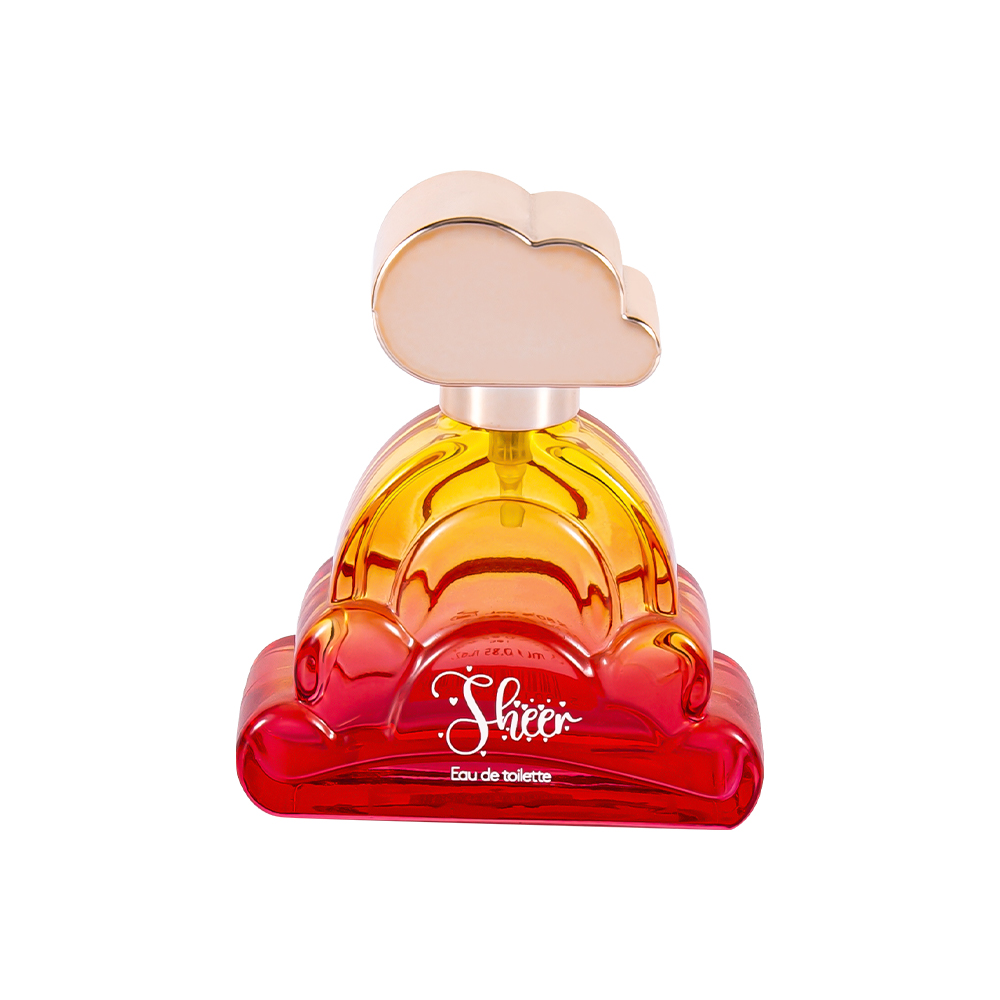
- Material Integrity: The choice between glass and plastic hinges on the intended use. Glass conveys luxury and is ideal for shelf-stable, alcohol-based fragrances, while plastic's resilience makes it perfect for active lifestyles and travel.
- Spray Mechanism: A good atomizer has a sealed pump system that prevents air from entering the bottle, which can oxidize and degrade the fragrance over time. The actuator should provide a comfortable, consistent spray.
- Cap Functionality: Caps must fit snugly to prevent accidental discharge and evaporation. Material choice (e.g., metallic electroplating, matte acrylic) significantly impacts the perceived value and tactile experience.
- Manufacturing Capability: Producers with strong development support can offer extensive customization, from unique bottle shapes created via custom molds to a wide array of finishing options like hot stamping for logos or gradient spraying for visual effect.
Glass vs. Plastic Perfume Bottles: A Detailed Comparison
| Feature | Glass Bottles | Plastic Bottles |
| Primary Aesthetic & Feel | Premium, luxurious, heavy, clear. | Modern, lightweight, practical, can be opaque or transparent. |
| Chemical Resistance | Highly inert, does not interact with fragrances. | Generally good, but some oils may interact with certain plastics over time. |
| Durability & Portability | Fragile, can break if dropped. Less ideal for travel. | Shock-resistant, highly portable and travel-safe. |
| Cost Implication | Typically higher cost per unit. | More cost-effective, especially for larger quantities. |
| Ideal For | Luxury branding, home decor, DIY perfume projects for personal collection. | Travel sizes, samples, sports fragrances, budget-conscious startups. |
Core Applications: From Personal Craft to Commercial Venture
The humble empty perfume bottle finds purpose in a spectrum of scenarios, each with distinct requirements. For the DIY enthusiast, it becomes a canvas for creativity, allowing for the blending of essential oils and aroma chemicals to craft a signature scent housed in a luxury empty perfume bottles for DIY fragrance. For the frequent traveler, the search centers on functionality and convenience, leading to reliable empty travel size perfume bottles refillable options that comply with airline regulations and prevent spills. On a commercial scale, for entrepreneurs and small brands, sourcing wholesale empty perfume bottles for small business is a fundamental step in building a brand identity. The bottle is often the first physical touchpoint a customer has with a fragrance, making its quality, design, and consistency critical to perceived value and market success. Understanding these application-specific needs is essential for selecting the right vessel.
The DIY Perfumer's Studio: Crafting a Signature Scent
Creating a custom fragrance is an art, and the bottle is its frame. Enthusiasts seek out luxury empty perfume bottles for DIY fragrance that not only look beautiful but also protect their creation. Key considerations include ultraviolet (UV) protection, as sunlight can degrade delicate top notes, and an excellent seal to prevent oxidation. Dark-colored glass (amber, cobalt) is often preferred for its light-blocking properties. The bottle should be easy to fill, typically with a wide enough neck or a removable sprayer assembly. For those blending with carrier oils, glass is almost always recommended due to its non-reactive nature. This application highlights the need for bottles that marry aesthetic appeal with scientific functionality.
- Preservation First: Prioritize bottles that offer a tight seal and UV protection to maximize the shelf life of your handmade fragrance blends.
- Ease of Use: Look for bottles where the sprayer can be easily removed for cleaning and refilling, especially if you plan to experiment with multiple scents.
- Professional Presentation: Even for personal use, a high-quality bottle with a satisfying spray mechanism and a substantial cap elevates the entire experience from a simple mix to a crafted product.
The Traveler's Essential: Refillable Travel-Size Bottles
The demand for empty travel size perfume bottles refillable stems from a desire for convenience, economy, and sustainability. The ideal travel bottle is leak-proof, compact (usually under 100ml/3.4 oz for carry-on compliance), and durable enough to withstand the rigors of a suitcase or gym bag. While plastic is the dominant material here for its weight and shatter-resistance, the quality of the atomizer is non-negotiable. It must have a secure locking mechanism (often a twist-to-lock feature) and a robust seal around the dip tube. For travelers, the ability to decant a favorite fragrance from a large, home-use bottle into a portable vessel without waste or mess is the ultimate goal.
- Leak-Proof Design: The most critical feature. Ensure the bottle has positive reviews or specifications confirming its leak-resistant design, often involving silicone gaskets and secure threading.
- Material Safety: For travel bottles that may experience pressure changes, a material like PCTA or Surlyn, known for its clarity and durability, is an excellent choice for empty plastic perfume bottles with atomizer intended for frequent use.
- User-Friendly Refilling: Some designs include a funnel or have a wide opening to make transferring fragrance easy and precise.
The Entrepreneur's Foundation: Wholesale Bottles for Brand Building
For a startup fragrance brand, cosmetic line, or handmade goods business, packaging is a direct extension of the brand promise. Sourcing wholesale empty perfume bottles for small business involves balancing cost, minimum order quantities (MOQs), customization potential, and supply chain reliability. A professional manufacturer with high daily output capacity can offer more flexibility on MOQs and faster turnaround times, which is vital for a small business managing cash flow and inventory. Customization—through unique bottle shapes, custom caps, or branded finishes like screen printing a logo—allows a small brand to stand out. The partnership with the manufacturer becomes strategic, as they provide the supporting development and accessory services needed to bring a unique vision to market.
- Brand Consistency: Working with a manufacturer that controls mold development and finishing in-house ensures color, texture, and quality consistency across every production run.
- Scalability: A partner with substantial production capacity can grow with your brand, accommodating orders from initial small batches to larger volumes as demand increases.
- Total Solution Approach: The most valuable suppliers offer more than just bottles; they provide end-to-end support, including cap development and a range of post-processing options to create a complete, cohesive packaging solution.
Sourcing and Customization: A Practical Guide
Navigating the world of perfume bottle sourcing requires a clear strategy. The process differs significantly based on whether you need a few bottles for personal use or are planning a commercial launch. For individuals, the focus is on finding readily available, high-quality stock designs, such as a reliable glass empty perfume bottle with sprayer. For businesses, the journey involves a collaborative design and sampling process with a manufacturer. This begins with a clear brief outlining capacity, material preference, and aesthetic goals. Reputable manufacturers will then guide clients through prototyping, which may involve creating a new mold or adapting an existing one, and selecting appropriate finishing techniques. The principle of continuous improvement in manufacturing—leveraging advanced equipment and market awareness—ensures that clients receive modern, high-precision packaging that meets evolving consumer expectations.
- Define Your 'Why': Clearly articulate the bottle's purpose. Is it for a one-time DIY gift, a reusable travel accessory, or the flagship packaging for a new product line? This dictates budget, quantity, and customization level.
- The Sampling Phase: Never skip evaluating a physical sample. This allows you to test the spray action, feel the bottle's weight, check the cap fit, and assess the true color and quality of any applied finish.
- Communication is Key: Provide as much visual and descriptive information as possible to your manufacturer. Reference images, Pantone colors, and desired textures help translate your vision into a tangible product accurately and efficiently.
- Understanding Lead Times: Custom projects, especially those requiring new mold tooling, have longer lead times than ordering from standard stock. Plan your project timeline accordingly, from initial inquiry to final delivery.
FAQ
How do I properly clean and sanitize an old perfume bottle for reuse?
Thorough cleaning is essential to remove old fragrance residue that can contaminate a new scent. First, remove any remaining liquid and disassemble the bottle as much as possible (take off the cap and sprayer). Soak all parts in warm water with a mild dish soap to dissolve oils. For stubborn residue inside the glass, use a mixture of isopropyl alcohol (rubbing alcohol) and water, or white vinegar and water, and shake vigorously. Small bottle brushes can help scrub the interior. Rinse all components thoroughly with clean water. To sanitize, you can soak the parts in a diluted bleach solution (1 tablespoon bleach per gallon of water) for a few minutes, then rinse extremely well with distilled water to prevent mineral spots. Allow all pieces to air dry completely before reassembling and refilling. This process is particularly important when preparing luxury empty perfume bottles for DIY fragrance projects where scent purity is paramount.
Are glass or plastic bottles better for storing essential oils and perfume blends?
For long-term storage of pure essential oils and alcohol-based perfume blends, glass is unequivocally the superior material. Glass is chemically inert and non-porous, meaning it will not interact with or absorb the volatile aromatic compounds, preserving the integrity and strength of the scent. Dark amber or cobalt glass provides the added benefit of protecting light-sensitive oils from degradation caused by UV rays. Plastic, while convenient for short-term or travel use, can be slightly porous over time and may interact with certain concentrated essential oils, potentially leading to leaching of plasticizers into the oil or weakening of the plastic itself. For a permanent storage solution, especially for valuable DIY creations, a high-quality glass empty perfume bottle with sprayer is the recommended choice.
What is a typical Minimum Order Quantity (MOQ) for custom perfume bottles?
Minimum Order Quantities for custom perfume bottles vary widely based on the level of customization. For standard stock bottles with no modifications, MOQs can be relatively low, sometimes a few hundred pieces. However, if your project requires a custom mold—a unique bottle shape—the MOQ will be significantly higher, often starting in the range of 5,000 to 10,000 units or more, as the cost of creating the steel mold must be amortized across the order. Custom colors, finishes (like specific plating), or printed logos on standard bottles typically have lower MOQs, often starting at 1,000 to 3,000 units. When exploring wholesale empty perfume bottles for small business, it's crucial to discuss your specific needs with the manufacturer early on to understand feasible MOQs for your desired level of uniqueness.
How can I ensure my travel-size perfume bottle won't leak?
Preventing leaks in empty travel size perfume bottles refillable involves selecting a well-designed product and handling it correctly. First, look for bottles that explicitly advertise a "leak-proof" or "airplane-safe" design, often featuring a sealing ring or gasket under the cap and a locking mechanism for the sprayer (e.g., twist-down). Before traveling, ensure the cap and sprayer are screwed on tightly. A pro tip is to place a small piece of plastic wrap over the bottle opening before screwing on the cap to create an extra seal. Always store the bottle upright in a zip-top bag or dedicated toiletry case. Finally, when refilling, do not overfill the bottle; leave a small air gap at the top to account for pressure changes during flights, which can force liquid out if the chamber is completely full.
What are some basic finishing options to brand a standard perfume bottle?
Even a standard stock bottle can be transformed into branded packaging with several accessible finishing techniques. The most common and cost-effective options include: Screen Printing: Ideal for applying logos, text, or simple graphics directly onto the glass or plastic bottle in one or more colors. Hot Stamping: Uses a heated die to transfer a metallic foil (gold, silver, holographic) onto the bottle or cap, creating a luxurious, shiny effect for logos. Spray Coating: Applying a matte, glossy, or textured paint finish to the bottle can completely change its look and feel. Labeling: Using high-quality pressure-sensitive or adhesive labels (paper, vinyl, transparent) is a very flexible option for smaller batches. A professional manufacturer with in-house post-processing can advise on the best and most durable method for your specific bottle material and brand vision, helping even a small batch look professionally finished.
NEW PRODUCTS
Let's Discuss Your Specific Packaging Needs And Explore The
Possibilities
further

Contact us
-

+86 151 9036 6355
+86 510 8627 8328
-

hjglassfactory@vip.163.com
-

Room 1304, Jiufang Plaza, No. 286, Hongqiao South Road, Jiangyin City, Jiangsu Province, China
Copyright © 2025 HJ Glass Factory
All Rights Reserved.
Wholesale Empty Perfume Bottles, Empty Aromatherapy Bottles

