English
 Español
Industry News
Home / News / Industry News / The Science of Scent Preservation: How UV-Protective Coatings on Empty Perfume Bottles Shield Fragrances from Oxidation
Jan 01, 2026
Content
In the high-end fragrance industry, the structural integrity of a container is as vital as the olfactive profile of the scent itself. For professional perfumers and B2B distributors, the primary engineering challenge is preventing photo-oxidation—a chemical reaction triggered by ultraviolet (UV) light that degrades essential oils and aromatic compounds. As a specialized manufacturer with over two decades of expertise, our company focuses on the intersection of aesthetic luxury and chemical stability. By utilizing an empty perfume bottle engineered with advanced optical barriers, brands can ensure their product remains stable from the production line to the consumer's vanity.
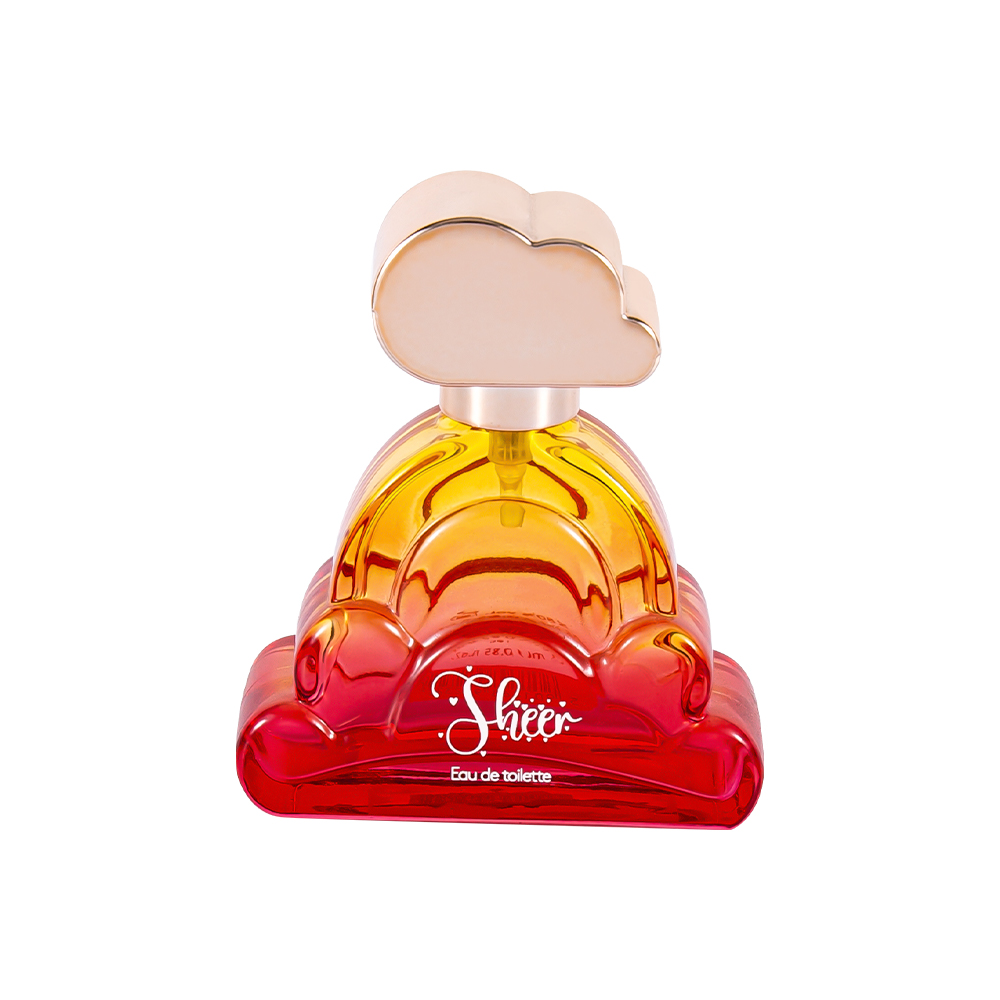
The fundamental problem with standard glass is its high transmission rate of UV radiation (200nm to 400nm), which acts as a catalyst for the breakdown of aldehyde and ester chains. When an engineer specifies an empty perfume bottle with UV-protective coating for oil-based scents, they are implementing a layer of benzophenones or hindered amine light stabilizers (HALS). These technical coatings work by absorbing high-energy photons and dissipating them as harmless thermal energy, effectively shielding delicate top notes from molecular restructuring. While clear glass provides high visibility, it offers negligible protection compared to the specialized barrier provided by UV-resistant coatings.
| Technical Metric | Standard Clear Glass | UV-Protective Coated Glass |
| UV Transmission (290nm-400nm) | > 80% | < 2% |
| Molecular Integrity Retention | Low (Rapid scent degradation) | High (Long-term stability) |
| Photodegradation Resistance | Negligible | Superior (Industrial grade) |
The modernization of the global packaging sector has shifted toward circularity and reduced carbon footprints. According to the latest report by the European Federation of Glass Container Manufacturers (FEVE), the industry is aggressively moving toward "Close the Glass Loop" initiatives, aiming for a 90% collection rate for recycling by 2030. This regulatory environment has accelerated the demand for an eco-friendly glass empty perfume bottle with PCR material (Post-Consumer Recycled glass), which maintains technical clarity while significantly lowering energy consumption during the melting process.
Source: FEVE - Glass Packaging in the Circular Economy
Furthermore, engineering a refillable empty perfume bottle with leak-proof atomizer for travel requires high-precision threading and durable gasket materials. A refillable system is technically superior to disposable alternatives because it utilizes reinforced neck finishes designed to withstand multiple torque cycles, coupled with a valve system that ensures zero leakage even under the varying atmospheric pressures of air travel.
For boutique fragrance houses, the bottle must reflect the brand's exclusivity without compromising the chemical safety of the contents. A customizable luxury empty perfume bottle for niche perfumery allows for sophisticated decoration techniques—such as internal lacquering, frost effects, or silk-screen printing—to be applied over the UV-protective layer. This ensures that the aesthetic premium does not detract from the functional "molecular shield" required for high-concentration extracts.
For emerging labels, sourcing a bulk empty perfume bottle for artisanal fragrance brands provides a scalable entry point into the market. By maintaining strict quality control and a strong technical team, manufacturers ensure that even high-volume wholesale batches maintain the tight tolerances required for automated filling lines and long-term shelf display.
Our company operates under an efficient management system that emphasizes innovation and rigorous testing. The production of glass containers involves material analysis of polypropylene, polyester, and various resins used in atomizers to ensure chemical compatibility with complex fragrance solvents. Our technical team oversees several critical validation phases:
Ultimately, a high-performance empty perfume bottle is an insurance policy for the fragrance inside. By integrating UV-shielding technology and sustainable materials like PCR glass, manufacturers provide a durable, wear-resistant solution that meets the needs of 2026’s eco-conscious and quality-driven market. Guided by the principle of "Quality and Innovation," we continue to support the fragrance industry with reliable, competitive, and technically advanced packaging solutions.


+86 151 9036 6355
+86 510 8627 8328

hjglassfactory@vip.163.com

Room 1304, Jiufang Plaza, No. 286, Hongqiao South Road, Jiangyin City, Jiangsu Province, China
Copyright © 2025 HJ Glass Factory
All Rights Reserved.
Wholesale Empty Perfume Bottles, Empty Aromatherapy Bottles