

 English
 Español
Industry News
How to Choose the Perfect Reed Diffuser Glass Bottle?
Dec 24, 2025
Content
Creating a fragrant and inviting atmosphere in your home is an art form, and the canvas you choose is just as important as the paint. The Reed Diffuser Glass Bottles you select serve as the foundation for your scent experience, influencing everything from the longevity of the fragrance to the aesthetic statement it makes. This guide will walk you through three essential steps: understanding the critical design features, mastering the art of scent blending, and implementing best practices for long-lasting performance. Prepare to transform your space with confidence and style.
Step 1: Decoding Design - Choosing Your Bottle for Performance and Style
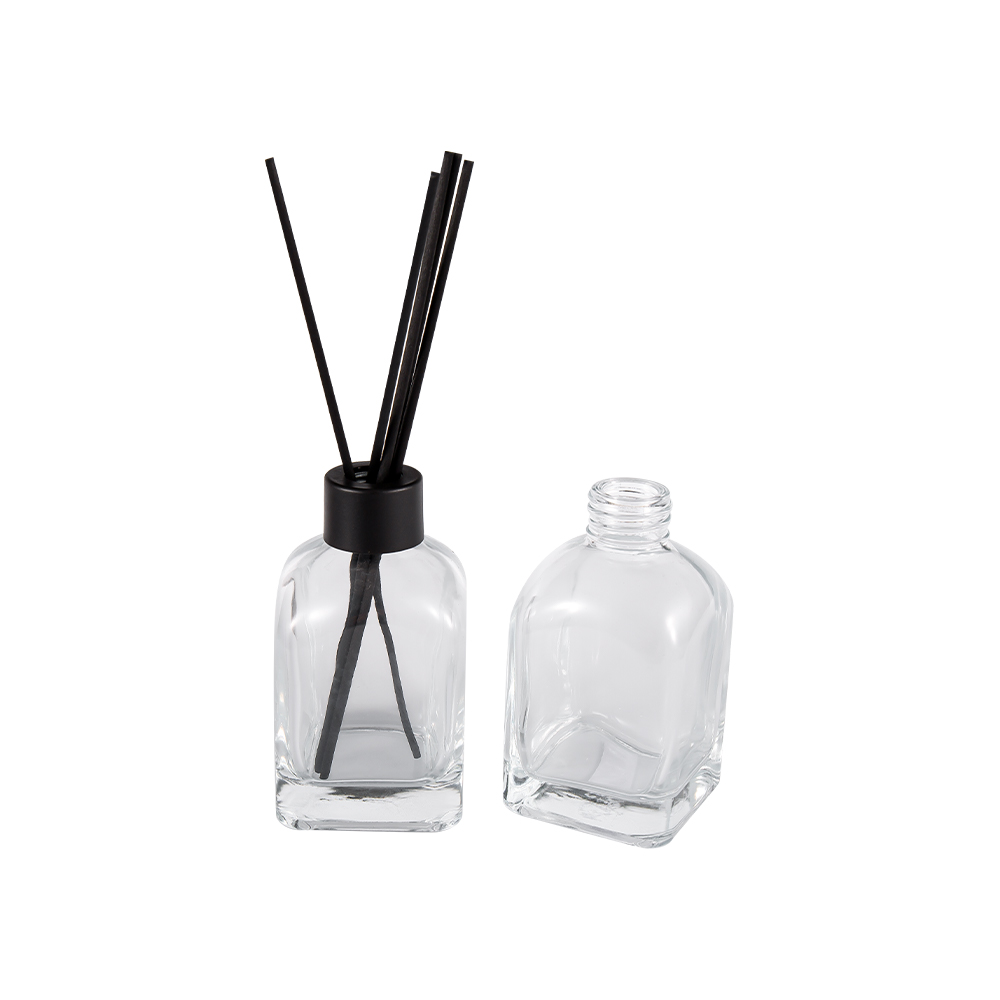
The design of a Reed Diffuser Glass Bottles goes far beyond simple aesthetics; it is a critical factor in the performance and preservation of your fragrance. The shape of the bottle, the color of the glass, and the type of cap all play a role in how the scent diffuses and how long it lasts. A wide-necked bottle, for instance, allows for more reeds and a stronger scent throw, while the color of the glass can protect delicate essential oils from degrading UV light. Choosing the right bottle is the first step toward creating a professional-quality home fragrance experience that is both beautiful and effective.
- Bottle Shape & Neck Opening: A wider neck allows for more reeds and better airflow.
- Glass Color: Darker glass like amber or cobalt protects oils from UV light.
- Cap & Seal Quality: A tight-fitting cap is crucial for storage and preventing evaporation.
- Material Quality: Thick, high-quality glass prevents breakage and feels more premium.
The Impact of Bottle Shape and Neck Size
The physical form of your bottle directly impacts the diffusion process. A bottle with a wider neck opening allows you to insert more reeds, which increases the surface area for evaporation and results in a more potent scent throw. This is ideal for larger spaces or for those who prefer a more pronounced fragrance. Conversely, a bottle with a narrow neck offers a more subtle, controlled release, perfect for smaller rooms like bathrooms or offices. The overall shape of the bottle, whether it's a classic cylinder, an elegant square, or an artistic freeform design, should complement your interior decor while also being stable and resistant to tipping over.
Why Glass Color Matters for Fragrance Longevity
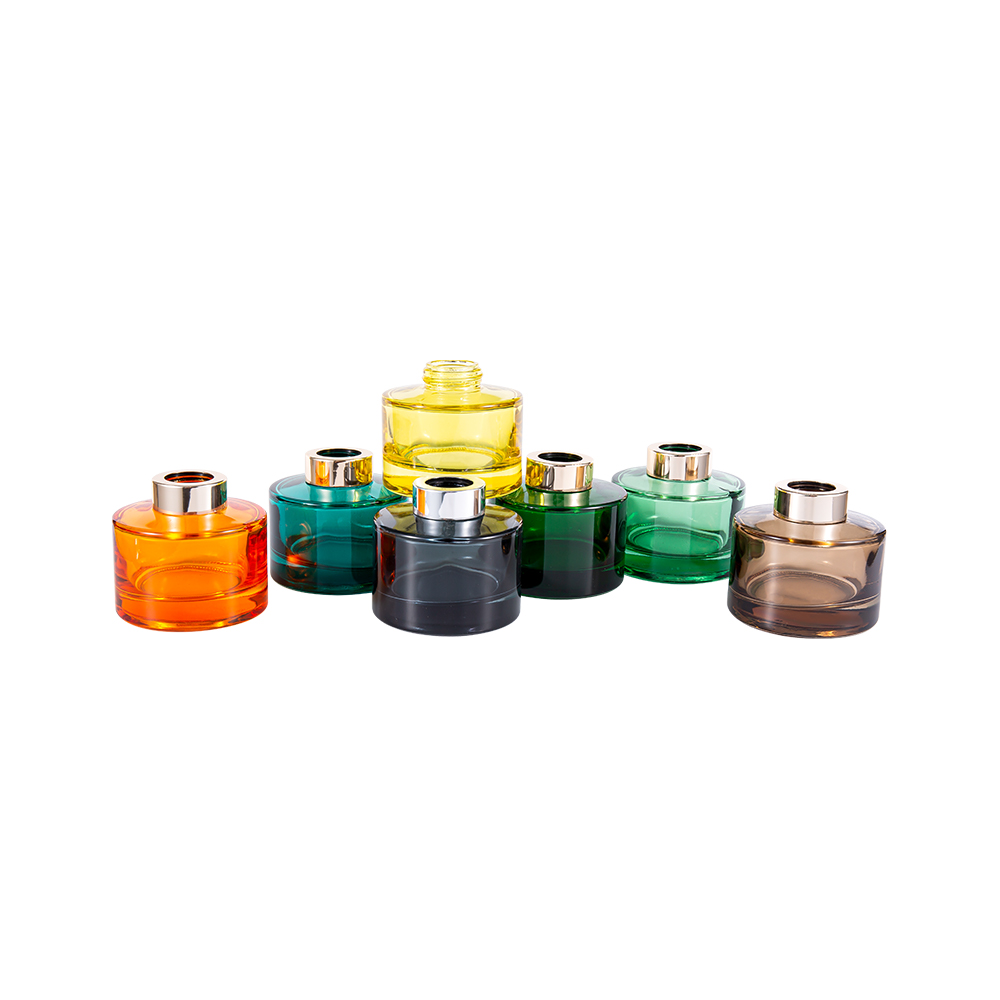
While clear glass beautifully showcases the color of your diffuser oil, it offers no protection against sunlight. Ultraviolet (UV) rays can break down the chemical compounds in essential oils and fragrance oils, causing them to lose their scent profile and potency over time. This is why many high-quality Reed Diffuser Glass Bottles are made from amber, cobalt blue, or other colored glass. These tints act as a natural filter, blocking harmful UV rays and significantly extending the life of your fragrance. If your home receives a lot of natural light, choosing a colored glass bottle is a wise investment for preserving your custom blends.
Step 2: The Art of Scent - Crafting the Perfect Diffuser Blend
Once you have the perfect bottle, the next step is to fill it with a captivating scent. This is where you can truly express your creativity. Crafting a diffuser blend is a delicate balance of science and art. It involves understanding the properties of different ingredients and how they work together to create a harmonious and long-lasting aroma. Unlike a candle, a diffuser scent is experienced continuously, so the blend needs to be pleasant but not overpowering. This section will guide you through creating the best essential oil blends for reed diffuser glass bottles, transforming your beautiful bottle into a source of personalized ambiance.
Understanding the Carrier Oil and Essential Oil Ratio
The foundation of any diffuser blend is the carrier oil, which dilutes the potent essential oils and helps them travel up the reeds. Common carrier oils include safflower oil, sweet almond oil, or fractionated coconut oil, all of which have a light scent and thin consistency. The general rule of thumb for a balanced and effective diffuser is a ratio of 70% carrier oil to 30% essential oil. For a standard 100ml bottle, this means using approximately 70ml of carrier oil and 30ml (or about 250-300 drops) of your chosen essential oils. This ratio ensures a strong scent throw without being overwhelming and helps the fragrance last for several months.
Creating Signature Scent Blends for Every Room
The true joy of making your own diffuser oil is in the blending. The best essential oil blends for reed diffuser glass bottles are those tailored to the mood and function of each room. Think about the atmosphere you want to create. For a relaxing bedroom, a calming blend of lavender and chamomile is perfect. For an energizing home office, a zesty mix of lemon and rosemary can enhance focus. By understanding the properties of different essential oils, you can design a unique scent profile for every corner of your home, making your space not just smell good, but feel good too.
| Room/Mood | Recommended Blend | Key Essential Oils (for 100ml) |
| Bedroom (Relaxation) | "Sleepy Sanctuary" | 15 drops Lavender, 10 drops Cedarwood, 5 drops Ylang Ylang |
| Living Room (Welcoming) | "Cozy & Warm" | 15 drops Sweet Orange, 10 drops Cinnamon Bark, 5 drops Clove |
| Kitchen (Freshening) | "Citrus Burst" | 20 drops Lemon, 10 drops Eucalyptus |
| Bathroom (Purifying) | "Spa Retreat" | 15 drops Peppermint, 10 drops Tea Tree, 5 drops Lavender |
Step 3: Best Practices for Long-Lasting Fragrance
Creating a beautiful diffuser is only half the battle; proper maintenance and placement are key to ensuring it performs at its best for as long as possible. Simple habits, like flipping the reeds regularly and placing the bottle in the right location, can dramatically extend the life of your fragrance and improve its scent throw. This final step covers the essential care instructions that will keep your Reed Diffuser Glass Bottles looking and smelling fantastic for months on end, maximizing the value of your creation and keeping your home consistently fragrant.
Mastering Reed Care and Placement
The rattan reeds are the engine of your diffuser. To maintain a consistent scent, it's important to flip them every few days. This re-saturates the dry ends with fresh oil, giving the fragrance a noticeable boost. Over time, reeds can become clogged with dust and oil, reducing their effectiveness. It's a good practice to replace them every four to six months. Placement is equally crucial. Position your diffuser in a high-traffic area with good air circulation, such as a hallway console or living room table. Avoid placing it in direct sunlight or near heat sources like radiators or vents, as this will cause the oil to evaporate too quickly.
Troubleshooting Common Diffuser Issues
Sometimes, a diffuser might not perform as expected. If you notice the scent is very faint, first try flipping the reeds more frequently or adding a few more reeds to the bottle. If the scent is too strong, simply remove a few reeds. If the oil in the bottle has turned cloudy or thick, it may have been contaminated or is old. In this case, it's best to discard the oil, thoroughly clean the bottle and reeds with warm, soapy water, rinse well, and start fresh with a new batch. Proper care ensures your Reed Diffuser Glass Bottles remain a beautiful and functional part of your home decor.
FAQ
Can I reuse my Reed Diffuser Glass Bottles with a new scent?
Yes, you absolutely can, and it's a great way to be both economical and eco-friendly. To do it properly, you must first clean the bottle thoroughly. Start by emptying any remaining oil. Then, fill the bottle about a quarter of the way with warm water and a drop of dish soap. Shake vigorously, then rinse thoroughly. To remove any lingering scent residue, you can swish a small amount of rubbing alcohol or white vinegar inside, then rinse again with hot water. Let the bottle air dry completely before refilling it with your new fragrance blend. This ensures your new scent remains pure and untainted.
Why isn't my reed diffuser producing a strong scent?
Several factors can contribute to a weak scent throw. First, check the number of reeds; adding more can increase the diffusion rate. Second, ensure you are flipping the reeds regularly (every 3-4 days) to re-saturate them. Third, consider the location; a room with poor air circulation will disperse the scent less effectively. Finally, re-evaluate your essential oil ratio. If you used less than 20-30% essential oil, the blend may simply be too dilute. Increasing the concentration of essential oil in your next batch will result in a stronger fragrance.
How long does a homemade reed diffuser typically last?
The lifespan of a homemade reed diffuser depends on several variables, including the size of the bottle, the quality of the ingredients, and the environment in which it's placed. On average, a 100ml Reed Diffuser Glass Bottles filled with a proper oil-to-essential-oil ratio can last anywhere from two to four months. Factors like direct sunlight, heat, or using air conditioning can accelerate evaporation and shorten its life. Using high-quality, dark glass bottles and placing them away from these elements will help maximize the longevity of your fragrance.
What's the difference between using rattan reeds and fiber reeds?
Rattan reeds are the traditional choice. They are natural, porous, and have a slightly inconsistent structure, which can lead to a more varied and sometimes stronger scent throw. However, they can eventually clog and need to be replaced. Fiber reeds, on the other hand, are man-made and have a uniform, porous structure throughout. They absorb and release fragrance more consistently and are less prone to clogging, often lasting longer than rattan. The choice between them often comes down to personal preference and the desired aesthetic, as rattan offers a more natural look while fiber reeds can appear more uniform and modern.
NEW PRODUCTS
Let's Discuss Your Specific Packaging Needs And Explore The
Possibilities
further

Contact us
-

+86 151 9036 6355
+86 510 8627 8328
-

hjglassfactory@vip.163.com
-

Room 1304, Jiufang Plaza, No. 286, Hongqiao South Road, Jiangyin City, Jiangsu Province, China
Copyright © 2025 HJ Glass Factory
All Rights Reserved.
Wholesale Empty Perfume Bottles, Empty Aromatherapy Bottles

